
Auto Service Specialists: Cooling System Repair in North Royalton Ohio

Your AC can be a lifesaver when your driving—that indoor air quality makes a big difference on a hot day. But what about the temperature of your vehicle? Your vehicle’s cooling system keeps all the other systems in your car cool so that every part can do its job.
Why Does Your Car Need a Cooling System?
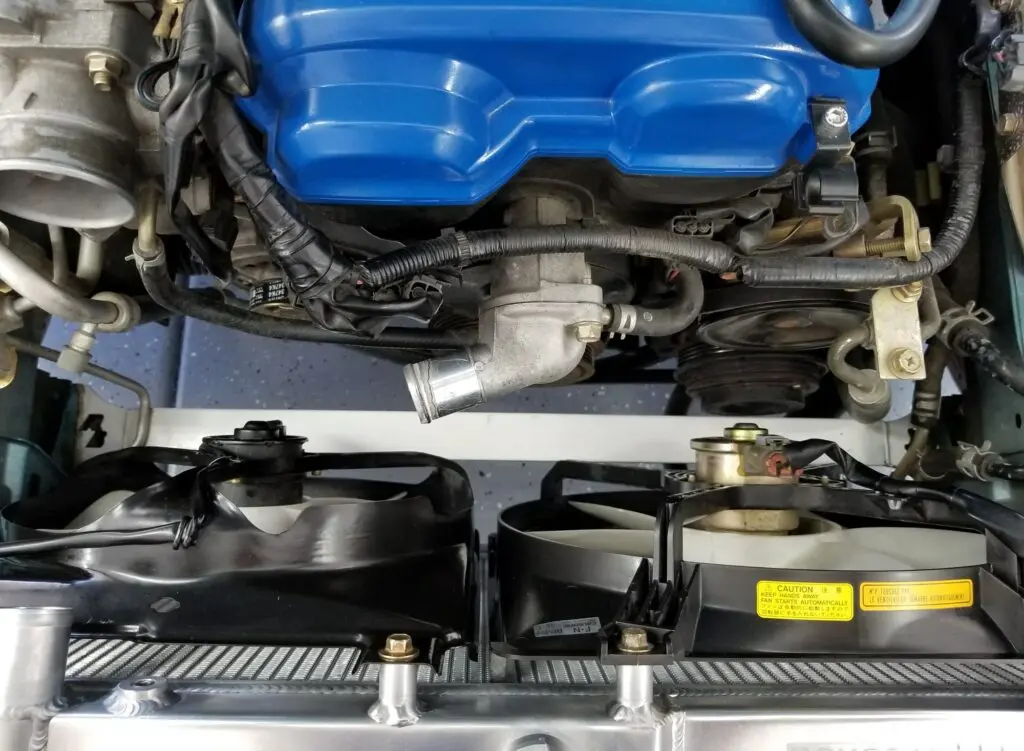
Your radiator protects your engine and air conditioning condenser from overheating. It also plays an important role with the computer controlled system. An engine temperature sensor actually tells the computer what the engine temperature is so the computer can adjust the air and fuel mixture and engine timing. The efficiency of the radiator directly effects the efficiency of your engine.
That’s why routine maintenance is so important. Make sure that flushing the cooling system and pH balancing the coolant is part of your regular maintenance—this step is recommended at least once every two years. Regular maintenance really can save you from costly repairs down the road, especially when you trust professional services to get these maintenance tasks done right the first time.
What We Do
Our coolant system power flush removes contaminates. We pressure test the cooling system for leaks, clean the recovery bottle and pressure test the radiator cap. The system is then refilled with the proper mix of coolant and water to reach the -35 degrees for winter protection.
Be Careful Removing the Radiator Cap!

The radiator’s heat and pressure build up to dangerous levels when a car is running. Serious injury can come from removing the cap from a hot engine. If too much pressure has built up, removing the cap can send boiling water and steam up and out in all directions.
Allowing the car to sit for around 30 minutes will ensure the pressure and temperature has dropped to a safe level before you attempt to remove the radiator cap. Most caps have a clear warning label on the outside of the cap itself warning about this important step.
How Does the Cooling System Work?
We’re often asked questions about the cooling system—the system that cools your engine and keeps it at the proper operating temperature. Let’s examine the topic in two areas: first the coolant itself and, second, the parts that make up the cooling system.
Understanding Coolant and Its Role
The coolant in your car or light truck is the mix of water and antifreeze that circulates through the engine to draw off heat. First, you need to have the proper amount. If you don’t have enough coolant it can’t keep your engine cool.
You also need the right kind of coolant. Different makes of sedans and other vehicles require different coolant formulation to protect against corrosion.
Finally, your coolant needs to be fresh. Over time and miles, the anti-corrosion additives in the coolant are depleted and the coolant can actually start to eat away at the cooling system parts. Your owner’s manual and our service adviser can help you with the recommended coolant replacement schedule and make sure you’re getting the right type of coolant.
Key Components of the Cooling System
Now let’s talk about the cooling system components. These will all eventually wear out and need to be replaced.
Starting with the radiator, we see them coming into the shop with leaks or clogged with deposits. Depending on the damage, we will clean, repair or replace. We also see radiator pressure caps that can no longer hold the proper pressure. We recommend replacing pressure caps when you change your coolant to avoid this problem.
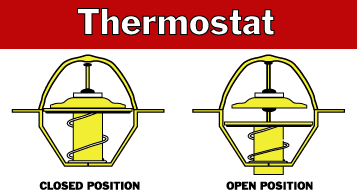
We see leaky water pumps and hoses in our area that need to be replaced, too.There’s also a part called the thermostat that opens and closes to regulate the flow of coolant. Sometimes they stick open or closed and the cooling system won’t work properly.
Engine damage from overheating can be very expensive to fix so it’s important to maintain your cooling system properly with scheduled coolant replacement and periodic inspections of the cooling system. Certainly come in if you suspect a leak and have us take a look.
Signs of a Failing Cooling System
A properly functioning cooling system is essential for keeping your engine at the right temperature. If your cooling system starts to fail, you may notice several warning signs.
Engine Overheating
One of the most obvious signs of a cooling system issue is an overheating engine. If your temperature gauge moves into the red zone or you see steam coming from under the hood, your engine may not be getting the cooling it needs.
Coolant Leaks
Puddles of coolant under your vehicle can indicate a leak in the radiator, hoses, water pump, or other components. Coolant is typically green, orange, or pink, depending on the type used in your vehicle.
Steam from the Engine Bay
If you notice steam coming from under the hood while driving or after stopping, it could mean that coolant is escaping from the system due to a leak or excessive pressure buildup.
Fluctuating Temperature Gauge Readings
A temperature gauge that moves erratically or spikes suddenly could indicate a failing thermostat, low coolant levels, or other cooling system problems.
If you experience any of these issues, it’s important to have your cooling system inspected and repaired as soon as possible to avoid severe engine damage.
Air Conditioning Services vs. Cooling System Maintenance
While both your air conditioning system and cooling system help regulate temperature, they serve entirely different purposes in your vehicle.
The Cooling System: Regulating Engine Temperature
Your cooling system is responsible for keeping your engine at the proper operating temperature. It circulates coolant through the engine and radiator to prevent overheating. If the system fails, it can lead to severe engine damage and costly repairs.
The AC System: Keeping You Comfortable
Your air conditioner is designed to cool the air inside your vehicle’s cabin. It uses refrigerant instead of coolant, along with components like the compressor, condenser, and evaporator, to remove heat and humidity from the air.
Key Differences Between the Two Systems
- Function: The cooling system prevents engine overheating, while the AC system cools the cabin for passenger comfort.
- Fluids: The cooling system uses coolant (antifreeze and water), whereas the AC system uses refrigerant.
- Maintenance Needs: Both systems require regular maintenance—coolant flushes for the engine and refrigerant recharges for the AC—to function properly.
If you’re experiencing issues with either system, we provide Air Conditioning Services and cooling system maintenance to keep your vehicle running smoothly and your ride comfortable.
Experience Exceptional Services in North Royalton
No one likes unexpected breakdowns for any part of their car, but our business can get to the root cause of any coolant issues so that every system is running at optimal conditions. From repair services to total replacements, let Auto Service Specialists get your vehicle in tip-top shape. For a cooling system inspection, GIVE US A CALL!
Frequently Asked Questions
How important is the water pump in my cooling system?
The water pump’s like the heart of your cooling system, circulating the fluid throughout. It’s a small pump that’s driven by the engine: usually by belt, but sometimes by a chain or gear. The water pump only operates when the engine’s running.
Some start failing at around 40,000 miles, but most fail by 100,000 miles. Consult your owners’ manual or your local shop to see what’s recommended. Since a water pump either works or it doesn’t, you need to change it when it fails. Water pumps fail in one of two ways: the bearings fail or they begin to leak.
It’s possible to have a leak from a cracked water pump, but it usually leaks at the gasket where it attaches to the engine.
How often should I replace my coolant?
Coolant should be replaced at regular intervals to maintain its ability to prevent overheating and corrosion. Most manufacturers recommend a coolant flush every 30,000 to 50,000 miles, but always check your owner’s manual or consult a mechanic for your specific vehicle.